
Understanding Menopause Hot Flashes
Causes, Symptoms, and Management Tips for dealing with Hot Flashes.
6/8/20263 min read
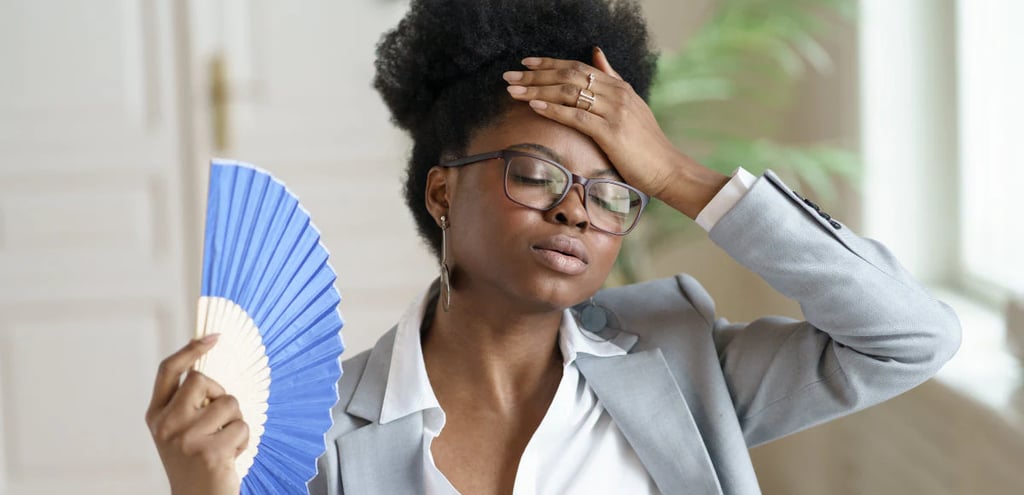
Menopause is a natural stage in a woman's life, marking the end of her reproductive years. While menopause brings several physical and emotional changes, one of the most common and challenging symptoms is hot flashes. Affecting millions of women worldwide, hot flashes can disrupt daily activities, sleep, and overall quality of life. Understanding why they occur and how to manage them can help women navigate this transition more comfortably.
What Are Hot Flashes?
Hot flashes are sudden feelings of intense warmth that typically affect the face, neck, and chest. They are often accompanied by sweating, flushing of the skin, and sometimes a rapid heartbeat. A hot flash can last anywhere from a few seconds to several minutes and may occur multiple times a day or night.
When hot flashes occur during sleep, they are known as night sweats and can significantly impact sleep quality, leading to fatigue and irritability.
Why Do Hot Flashes Happen?
The primary cause of hot flashes is the decline in estrogen levels that occurs during menopause. Estrogen plays a key role in regulating the body's temperature control system, located in the hypothalamus. As hormone levels fluctuate, the brain may mistakenly perceive the body as overheated, triggering mechanisms such as sweating and increased blood flow to cool down the body.
While hormonal changes are the main trigger, factors such as stress, spicy foods, caffeine, alcohol, smoking, and warm environments can increase the frequency and intensity of hot flashes.
Common Symptoms Associated with Hot Flashes
Women experiencing hot flashes may notice:
Sudden sensation of heat spreading through the upper body
Redness or flushing of the skin
Excessive sweating
Chills following the hot flash
Increased heart rate or palpitations
Anxiety or discomfort during episodes
Sleep disturbances due to night sweats
The severity and frequency of symptoms vary from person to person. Some women experience only occasional mild episodes, while others may have frequent and severe hot flashes for several years.
How Long Do Hot Flashes Last?
Hot flashes often begin during perimenopause, the transitional period before menopause, and may continue for several years after menopause. Research suggests that many women experience hot flashes for 4 to 10 years, although some may have symptoms for a shorter or longer duration.
Managing Menopause Hot Flashes
Although hot flashes cannot always be prevented, several strategies may help reduce their frequency and severity.
Lifestyle Changes
Simple adjustments can make a significant difference:
Dress in lightweight, breathable clothing.
Keep living and sleeping spaces cool.
Use fans or air conditioning when needed.
Avoid known triggers such as spicy foods, caffeine, and alcohol.
Practice stress-management techniques like meditation, yoga, or deep breathing exercises.
Maintain a healthy weight and engage in regular physical activity.
Hormone Therapy
Hormone Replacement Therapy (HRT) is considered one of the most effective treatments for moderate to severe hot flashes. It works by replenishing declining estrogen levels. However, HRT may not be suitable for everyone, and women should discuss the benefits and risks with their healthcare provider.
Non-Hormonal Treatments
For women who cannot or choose not to use hormone therapy, other options include:
Certain antidepressants
Medications that affect nerve signaling
Cognitive behavioral therapy (CBT)
Lifestyle and behavioral interventions
Healthcare providers can recommend the most appropriate treatment based on individual health history and symptom severity.
When to Seek Medical Advice
While hot flashes are a normal part of menopause, medical consultation is recommended if symptoms:
Significantly interfere with daily life
Cause persistent sleep disruption
Lead to anxiety or depression
Are accompanied by unusual symptoms
A healthcare professional can help determine the best treatment approach and rule out other possible causes.
Final Thoughts
Hot flashes are one of the most recognizable symptoms of menopause, affecting women differently in terms of frequency, duration, and intensity. Although they can be uncomfortable and disruptive, various lifestyle changes and medical treatments are available to help manage symptoms effectively. With the right support and strategies, women can navigate menopause with greater comfort and confidence.
Understanding menopause and its symptoms empowers women to take control of their health and make informed decisions during this important life transition.